
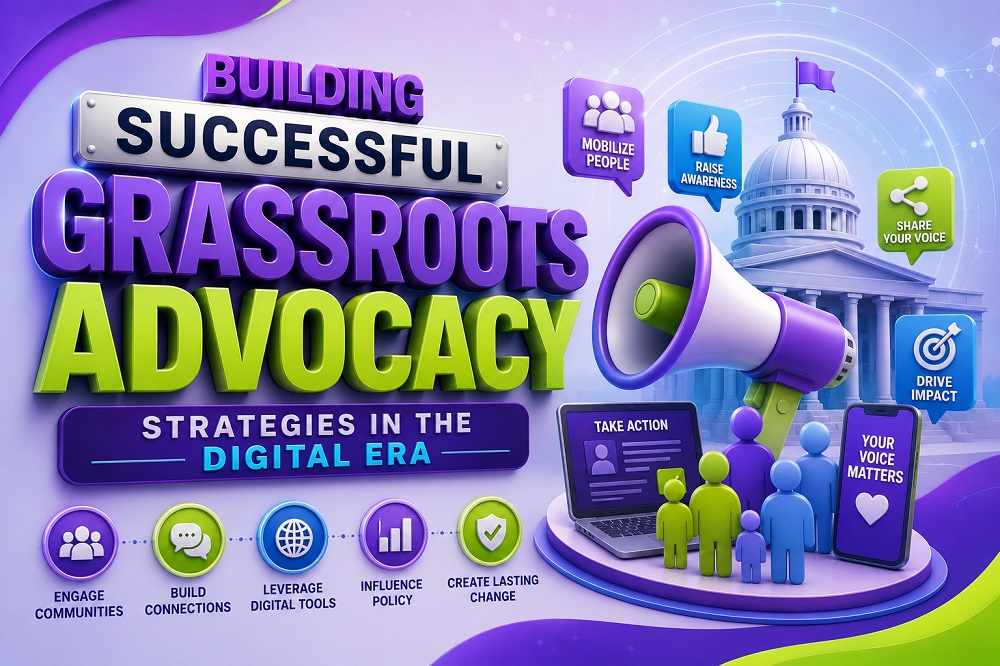
Successful advocacy is no longer limited to meetings between professional lobbyists and government officials. Today, lawmakers want to hear directly from the people affected by public policy. That is why grassroots lobbying has become one of the most effective strategies for influencing legislation. By encouraging constituents to contact elected representatives, organizations can demonstrate real public support for important issues and help shape policy decisions.
Whether the goal is supporting a new bill, opposing proposed legislation, or encouraging regulatory reform, grassroots lobbying gives ordinary citizens a meaningful role in the legislative process. When combined with strategic planning and modern advocacy tools, it becomes a powerful force for lasting policy change.
What Is Grassroots Lobbying?
Grassroots lobbying is an organized campaign that motivates individuals to communicate with government officials regarding specific legislative or regulatory matters. Instead of relying only on professional lobbyists, organizations invite members, employees, customers, volunteers, or community supporters to share their opinions with lawmakers.
These communications may include emails, phone calls, handwritten letters, district office meetings, town hall participation, or public comments. The primary objective is to show legislators that real constituents care about the issue and expect action.
Unlike general public awareness campaigns, grassroots lobbying encourages direct engagement with policymakers about active legislation.
Why Lawmakers Listen to Constituents
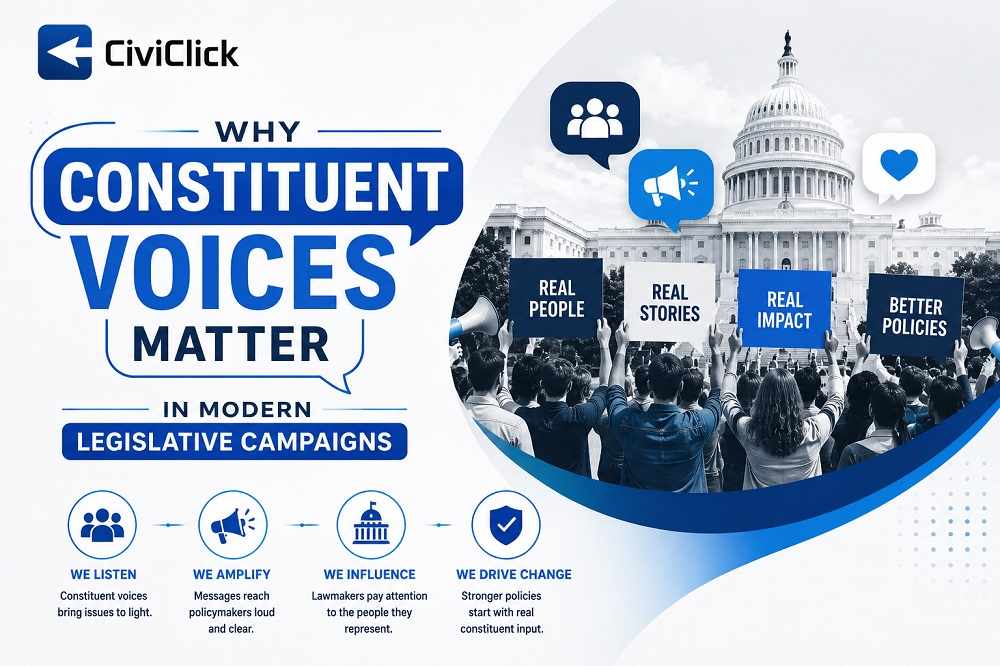
Every elected official is responsible for representing the people who live in their district. During legislative debates, constituent opinions help lawmakers understand how proposed policies affect local businesses, families, schools, healthcare providers, and community organizations.
When many residents express similar concerns, legislators often recognize that the issue deserves careful attention. Public participation provides practical insight that technical reports or professional lobbying alone cannot always deliver.
This connection between citizens and policymakers is one reason grassroots lobbying remains a cornerstone of democratic participation.
The Building Blocks of an Effective Campaign
Establish a Clear Objective
Organizations should define exactly what they hope to accomplish before launching an advocacy campaign. Whether asking legislators to support, reject, or amend legislation, a focused objective helps participants communicate consistently.
Reach the Right Audience
Not every supporter lives in the same legislative district. Successful campaigns identify individuals whose elected officials have influence over the policy issue and encourage targeted outreach.
District-specific engagement improves campaign credibility and increases legislative impact.
Share Helpful Resources
Supporters are more confident when they understand the issue. Fact sheets, policy summaries, frequently asked questions, and suggested talking points help participants communicate effectively while encouraging authentic personal messages.
Create Opportunities for Participation
People are more likely to take action when the process is simple. Easy-to-use advocacy platforms, mobile-friendly action alerts, and clear instructions increase participation while reducing administrative effort.
Grassroots Lobbying Strengthens Direct Advocacy
Professional lobbyists provide lawmakers with policy expertise, legislative analysis, and technical recommendations. Grassroots supporters provide something equally valuable—public validation.
When legislators hear the same concerns from both advocacy professionals and local constituents, they receive a balanced understanding of why the issue matters. This combination often produces stronger legislative influence than either strategy alone.
Organizations that coordinate both approaches can engage policymakers from multiple perspectives throughout the legislative process.
The Role of Digital Advocacy Technology
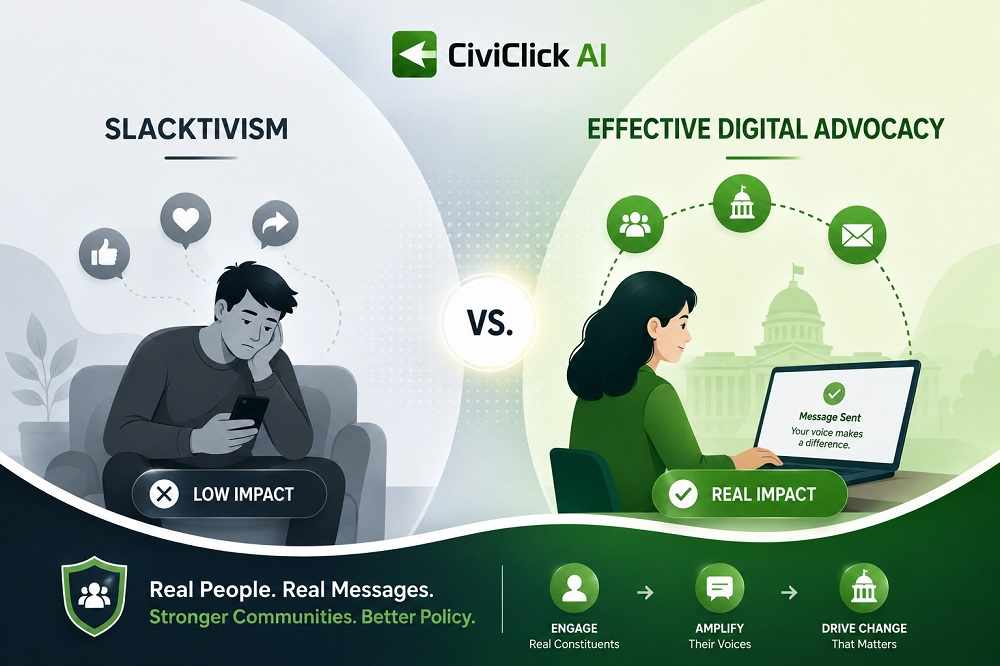
Technology has made grassroots lobbying more efficient than ever before. Advocacy software allows organizations to organize supporters, identify legislative districts, distribute campaign alerts, monitor engagement, and measure results from one centralized platform.
Solutions like CiviClick AI help advocacy teams simplify campaign management by automating constituent outreach, improving legislative targeting, and providing detailed reporting that supports strategic decision-making.
These capabilities allow organizations to respond quickly as legislative priorities change.
Best Practices for Long-Term Success
Successful grassroots lobbying depends on trust and consistency. Organizations should communicate with supporters throughout the year rather than only during legislative emergencies.
Providing educational updates, celebrating campaign achievements, and encouraging respectful communication helps build long-term relationships with advocates and policymakers alike.
Regular evaluation also allows organizations to improve future campaigns using measurable participation data.
Conclusion
Grassroots lobbying continues to shape public policy by connecting lawmakers with the voices of the people they represent. Through targeted outreach, authentic communication, strategic planning, and modern advocacy technology, organizations can build effective campaigns that influence legislative outcomes.
As civic engagement continues to expand through digital platforms, grassroots lobbying will remain an essential strategy for organizations seeking meaningful policy change while strengthening democratic participation.




Write a comment ...