
Why Every Organization Needs a Smart Grassroots Advocacy Strategy
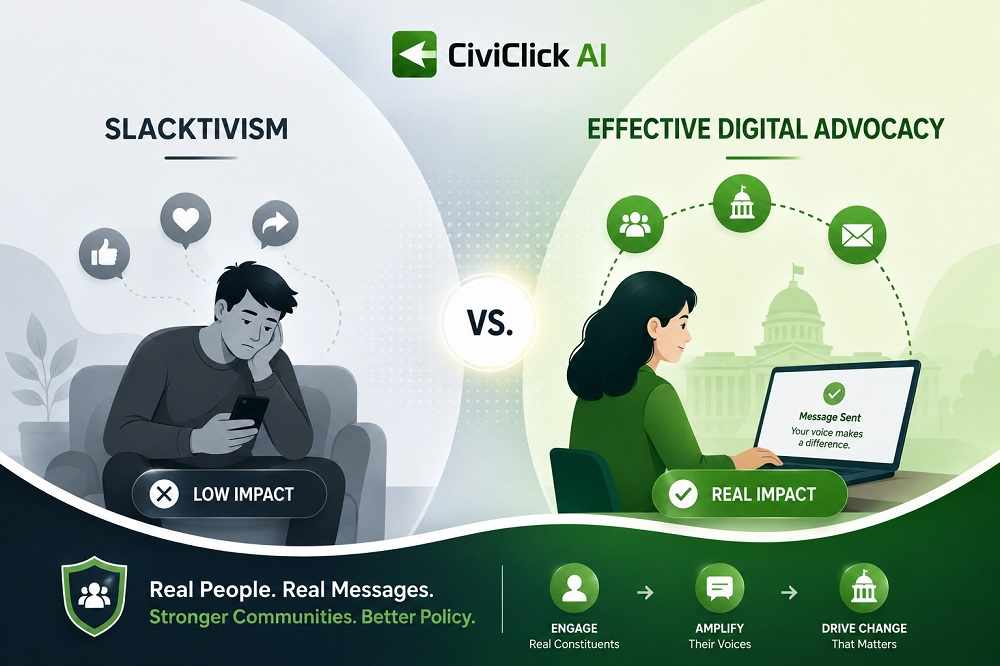
Public policy affects nearly every industry, from healthcare and education to energy, transportation, agriculture, and technology. While organizations often rely on policy experts and government relations teams to monitor legislative developments, long-term success frequently depends on something much more powerful—engaged citizens who are willing to speak up.
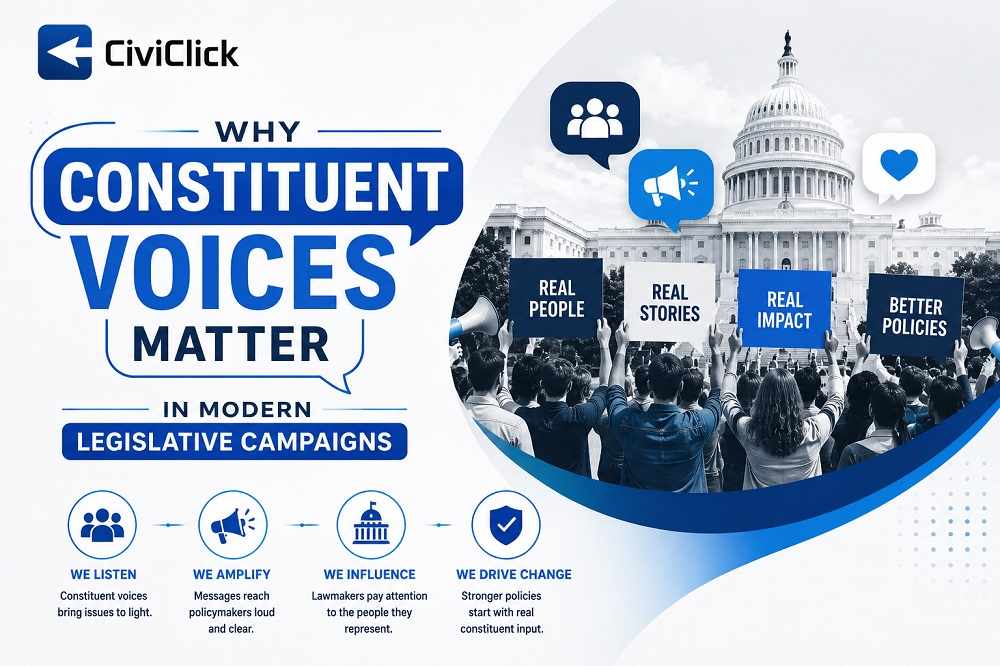
Grassroots advocacy has become one of the most reliable ways to influence public policy because it allows lawmakers to hear directly from the people they represent. However, successful advocacy doesn't happen by accident. It requires careful planning, strong communication, and ongoing relationship-building.
With digital platforms like CiviClick AI, organizations can streamline campaign management while encouraging authentic participation from supporters. The combination of strategy and technology allows advocacy teams to respond quickly to legislative opportunities without losing the personal connection that makes grassroots campaigns effective.
Start with Clear Advocacy Goals
Every successful grassroots campaign begins with a well-defined objective.
Organizations should identify the specific legislation, regulation, or public policy they hope to influence before launching any outreach efforts. Clear goals help supporters understand why their participation matters and what outcome the campaign is trying to achieve.
Rather than asking people to "support an issue," effective campaigns provide a specific request, such as encouraging lawmakers to vote for a bill, oppose a proposal, or consider changes before final approval.
Focused objectives keep campaigns organized and improve overall effectiveness.
Build Relationships Before You Need Action
One of the biggest mistakes organizations make is contacting supporters only when legislation requires immediate attention.
Successful advocacy programs invest time in building lasting relationships throughout the year. Regular newsletters, educational content, webinars, community events, and policy updates help supporters stay informed and connected even when there are no urgent legislative issues.
This continuous engagement creates trust, making supporters more likely to participate when organizations eventually ask them to contact elected officials.
Strong relationships are the foundation of every successful grassroots initiative.
Educate Supporters with Reliable Information
People are more likely to participate when they understand the issue.
Organizations should provide balanced, easy-to-understand explanations of proposed legislation, including how it may affect local communities, businesses, employees, or consumers. Educational resources help supporters communicate confidently with policymakers instead of simply repeating prepared statements.
Clear information also reduces confusion and ensures advocacy efforts remain accurate and credible throughout the campaign.
Knowledgeable supporters become stronger advocates.
Use Multiple Communication Channels
Today's supporters receive information through many different platforms. Depending on a single communication method may limit participation.
Successful advocacy campaigns combine email, text messaging, websites, social media, virtual events, and direct outreach to reach audiences with different preferences. Each channel serves a unique purpose.
Email provides detailed legislative updates, text messages encourage immediate action, social media expands awareness, and virtual meetings allow supporters to ask questions before participating.
A multi-channel approach creates greater visibility and stronger engagement.
Encourage Personalized Messages
Although digital tools make communication easier, lawmakers often value personalized constituent feedback more than identical form submissions.
Organizations should encourage supporters to explain how proposed legislation affects their own experiences, businesses, professions, or families. Personal stories demonstrate genuine community interest while helping policymakers better understand the practical impact of public policy.
Providing guidance without limiting authenticity allows supporters to communicate naturally while remaining focused on campaign goals.
Individual voices make advocacy more persuasive.
Monitor Campaign Performance
Every advocacy campaign provides valuable lessons for future initiatives.
Organizations should evaluate participation rates, communication effectiveness, supporter engagement, legislative responses, and campaign outcomes after each effort concludes. Measuring results helps advocacy leaders identify successful strategies while improving future planning.
Performance tracking also demonstrates accountability to leadership, donors, and stakeholders who want evidence that advocacy investments are producing meaningful results.
Continuous improvement strengthens every future campaign.
Preparing for Long-Term Success
Grassroots advocacy is most effective when viewed as an ongoing commitment rather than a one-time event. Organizations that consistently educate supporters, build trusted relationships, communicate strategically, and evaluate performance create advocacy programs capable of influencing policy over the long term.
As technology continues to evolve, digital platforms will make campaign management increasingly efficient. However, the true strength of grassroots advocacy will always come from informed citizens who care enough to participate in public decision-making.
By combining thoughtful planning, authentic engagement, and modern advocacy technology, organizations can build resilient grassroots programs that help shape better public policy while strengthening connections with the communities they serve.





Write a comment ...